
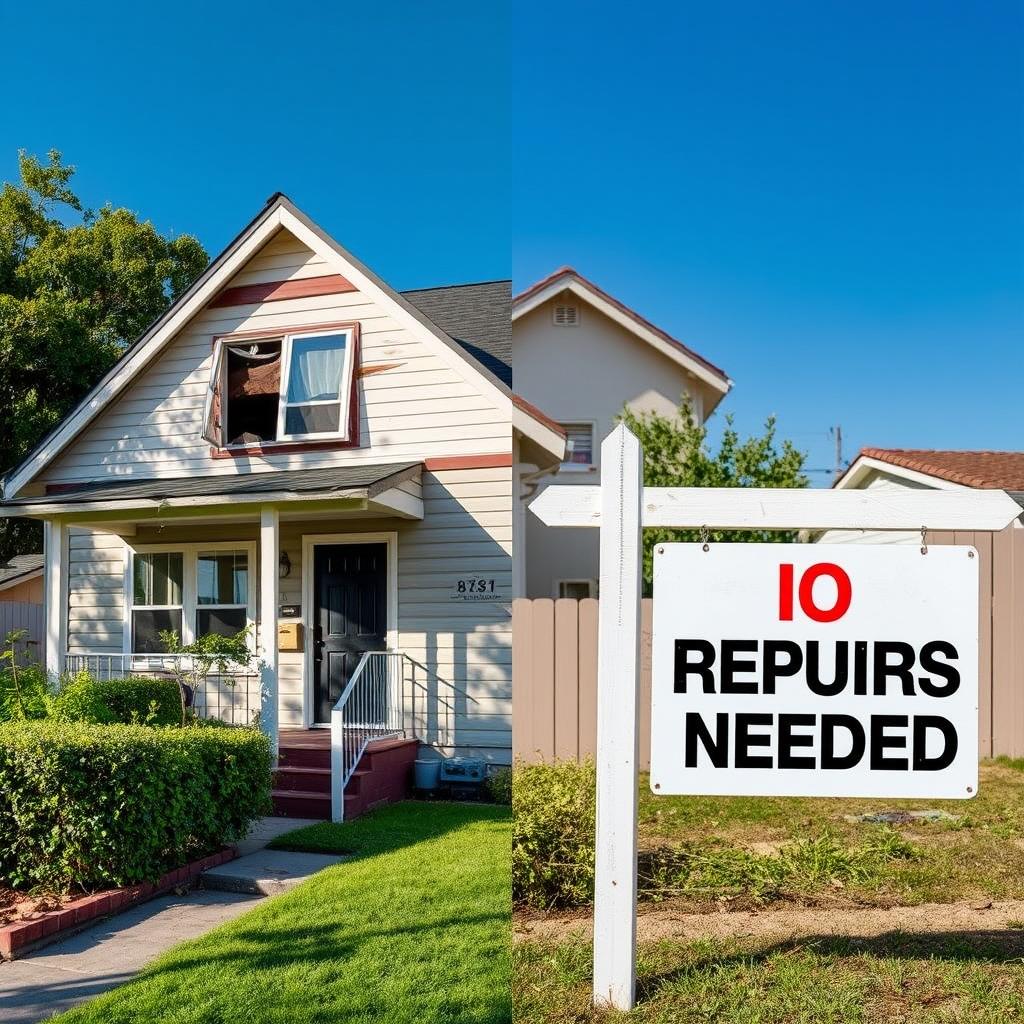
Ever wondered how fast a home can be lost due to missed mortgage payments? The foreclosure process is often not well understood. This leaves many homeowners and potential buyers confused. Knowing about foreclosure is key, especially in today’s economy where money matters a lot.
This article will explore the foreclosure process in detail. We’ll look at the timeline, types, and what happens when a home is foreclosed. This will help you understand the complex steps involved.
Key Takeaways
- Foreclosure starts after 3-6 months of missed payments.
- A demand letter is sent after three months of missed payments.
- The time from notice of default to auction can be 2-3 months.
- Judicial and non-judicial foreclosures have different steps and times.
- Borrowers usually have 30 days to fix payments after a notice of default.
- Knowing your rights during foreclosure is important for homeowners.
- Government-backed mortgage options can help in tough times.
What Is Foreclosure Process?
Understanding the foreclosure process is key for homeowners facing money troubles. The definition of foreclosure is when lenders take back a property because of missed payments. Usually, lenders wait until a mortgage is 90 days late before starting the process.
This gives homeowners a chance to talk to their lenders and look for other solutions. Solutions like loan modifications or repayment plans are options.
Definition of Foreclosure
The foreclosure process has rules for both the borrower and the lender. When a borrower misses several payments, the lender can start the foreclosure. The time it takes for a lender to take a property varies by state.
It’s crucial for homeowners to know their state’s rules. This can affect how long the process takes and what options are available.
How Lenders Recover the Amount Owed
Lenders mainly want to get back the money they lent. If no deal is made, they might sell the property at auction. This is how they try to cover their losses from unpaid mortgages.
To learn more about foreclosure steps, check out the state’s finance department. Properties sold at auction can also lead to extra legal costs for lenders. This can impact how much they can recover.
Phases of the Foreclosure Process
The foreclosure process has several key stages for homeowners facing foreclosure. Knowing these phases helps them navigate this complex situation. While states follow basic steps, some variations can change how the process goes.
Overview of the Common Phases
The foreclosure journey has several important stages:
- Payment Default: Most mortgages say borrowers are in default after three missed payments. This stage often starts lender communication.
- Notice of Default: After missed payments, lenders send a public notice. Homeowners must act fast to avoid more trouble. This notice is a critical warning.
- Notice of Sale: If the homeowner doesn’t fix the issue, a notice of sale is released. It shows when the property will be auctioned.
- Auction: The property is sold to the highest bidder. This is a key moment in the foreclosure process.
- Real Estate Owned (REO): If no one bids, the lender gets the property. This can lead to more problems for the homeowner.
- Eviction: People left in the property may face eviction. This can make their housing situation worse.
State-Specific Variations
It’s important to know that foreclosure laws vary by state. Each state has its own rules for notices and foreclosure steps:
| State | Notice of Default Timeline | Redemption Period |
|---|---|---|
| California | 3 months after payment default | 6 months post-auction |
| Texas | 21 days after initial missed payment | No statutory redemption period |
| Illinois | 30 days after payment default | 3 years after the sale |
| Florida | 45 days from the first missed payment | 12 months if 2/3 of original equity is not claimed |
Knowing these state-specific foreclosure rules can help homeowners make better choices during tough times.

Steps of Foreclosure Process Explained
The foreclosure process is complex and affects homeowners a lot. Knowing the early stages helps understand what’s happening and how to act. Key parts include initial payment defaults and the notice of default.
Initial Payment Defaults
When a homeowner misses a mortgage payment, foreclosure starts. This is the first step towards serious problems. Lenders usually give a grace period after the first missed payment. Ignoring their calls can make things worse fast.
Notice of Default and Importance of Communication
After 30 days without payment, lenders get in touch more. Homeowners get a notice of default (NOD), giving them 30 more days to catch up. Talking to the lender can help find solutions, like repayment plans or loan changes. Early communication can change the foreclosure process and avoid legal trouble.

Foreclosure Process Timeline
The foreclosure process timeline can greatly affect homeowners and their families. Knowing how long it takes from missing a payment to auction can help. This time frame changes based on the state and the situation, but there are common stages.
Typical Duration from First Missed Payment to Auction
The process starts with the first missed payment. Here are the typical steps and how long they take:
| Stage | Timeframe |
|---|---|
| First Missed Payment | 0-1 month |
| Payment Defaults & Communication with Lender | 1-3 months |
| Notice of Default | 3-4 months |
| Notice of Sale | 4-5 months |
| Auction | 6 months onward |
This shows an average case. But, actual times can differ. Local laws and lender actions also affect the timeline.
Key Legal Notices Involved
During foreclosure, several legal notices are key. The most important are:
- Notice of Default: This notice tells the borrower about missed payments and starts the foreclosure.
- Notice of Sale: Given before the auction, it details the sale of the property.
These notices are crucial for borrowers. They show the urgency of the situation. Borrowers need to stay informed and consider their options.
Understanding Foreclosure Types
Foreclosure types can greatly affect both borrowers and lenders. It’s key to know the differences between judicial and non-judicial foreclosure. Each has its own process and timeline. Knowing these helps homeowners understand their options when facing foreclosure.
Judicial vs. Non-Judicial Foreclosure
Judicial foreclosure requires lenders to go to court to take back a property. This method gives borrowers some protections, like the chance to fight the foreclosure in court. However, it can take a long time, with some states taking over 1,800 days.
Non-judicial foreclosure, on the other hand, lets lenders avoid court because of power of sale clauses in mortgages. It’s faster, which lenders like when they want to sell the property quickly. Most states use non-judicial foreclosure, affecting the foreclosure types in each area.
Power of Sale and Strict Foreclosure
Power of sale foreclosures are common in 29 states and are quicker than judicial methods. This makes non-judicial foreclosure popular in places like California and Texas. Strict foreclosure is rare, found only in Connecticut and Vermont. If a borrower misses deadlines, the lender can seize the property without going to court.
Knowing about these foreclosure types helps homeowners make better choices. Each state uses these methods differently, affecting how long and what the process is like for those involved.
| Type of Foreclosure | Process | States Most Commonly Used | Average Duration |
|---|---|---|---|
| Judicial Foreclosure | Requires court proceedings | Florida, Illinois, New York | Longer, often exceeds 1,800 days |
| Non-Judicial Foreclosure | No court involvement, quicker resolution | California, Texas, Arizona | Typically shorter, around 270 days |
| Strict Foreclosure | Direct seizure of property | Connecticut, Vermont | Varies by court timeline |
What Happens During Foreclosure Process
The foreclosure process has many important stages leading up to auction. It affects both homeowners and lenders. Knowing what happens can help borrowers make better choices during this tough time.
Stages Leading to Auction
First, homeowners get a pre-foreclosure notice, giving them 30 days to pay up. If they can’t, the lender files a Notice of Default. This gives them three more months to pay off the debt.
If they still can’t pay, the property goes to a foreclosure sale. In Utah, this sale is usually non-judicial. The highest bidder, often the lender, wins the property. If the sale price is less than the total owed, the lender can sue the homeowner for the difference.
Post-Auction Scenarios and Rights of the Borrower
After the auction, people living in the property might get a notice to leave. If they don’t, they could face eviction. Borrowers have some rights, but finding ways to get back on track can be tough.
There might be a chance to get some money back if there’s extra cash after the sale. Housing counselors can offer help in understanding these complex situations.
| Stage | Key Actions | Time Frame |
|---|---|---|
| Pre-Foreclosure Notice | Homeowner notified; opportunity to resolve delinquency | Minimum of 30 days |
| Notice of Default | Homeowner given three months to catch up on payments | 3 months |
| Foreclosure Sale | Property auctioned to highest bidder | Variable, pending auction date |
| Post-Auction Notification | Notice to vacate may be issued | After auction |
| Eviction Proceedings | Possible eviction if property not vacated | Varies by jurisdiction |
The foreclosure process can be overwhelming. Knowing the stages and what happens after can help borrowers deal with their situation better.
Conclusion
Knowing about the foreclosure process is key for homeowners and potential buyers. It can be tough to deal with missed payments and legal notices. This article gave a detailed look at the foreclosure process, including its phases and types.
Homeowners should know that foreclosure starts with a missed mortgage payment and a Notice of Default. It’s important to act fast; paying off debt or selling the house early can change the outcome. Knowing state laws helps homeowners understand their rights and find ways to avoid foreclosure.
Foreclosure is tough, but there are ways to get back on track. Homeowners can get help from HUD-certified counselors or look into loan modifications and short sales. Stay updated, act quickly, and know that help is out there to guide you through this tough time.